The ikigai framework assumes a stable, unified self. For a neurodivergent person whose identity is genuinely multi-instance, any single-point answer is a reduction.
My Fractal Self: Why the Search for Ikigai Led Me Nowhere Useful
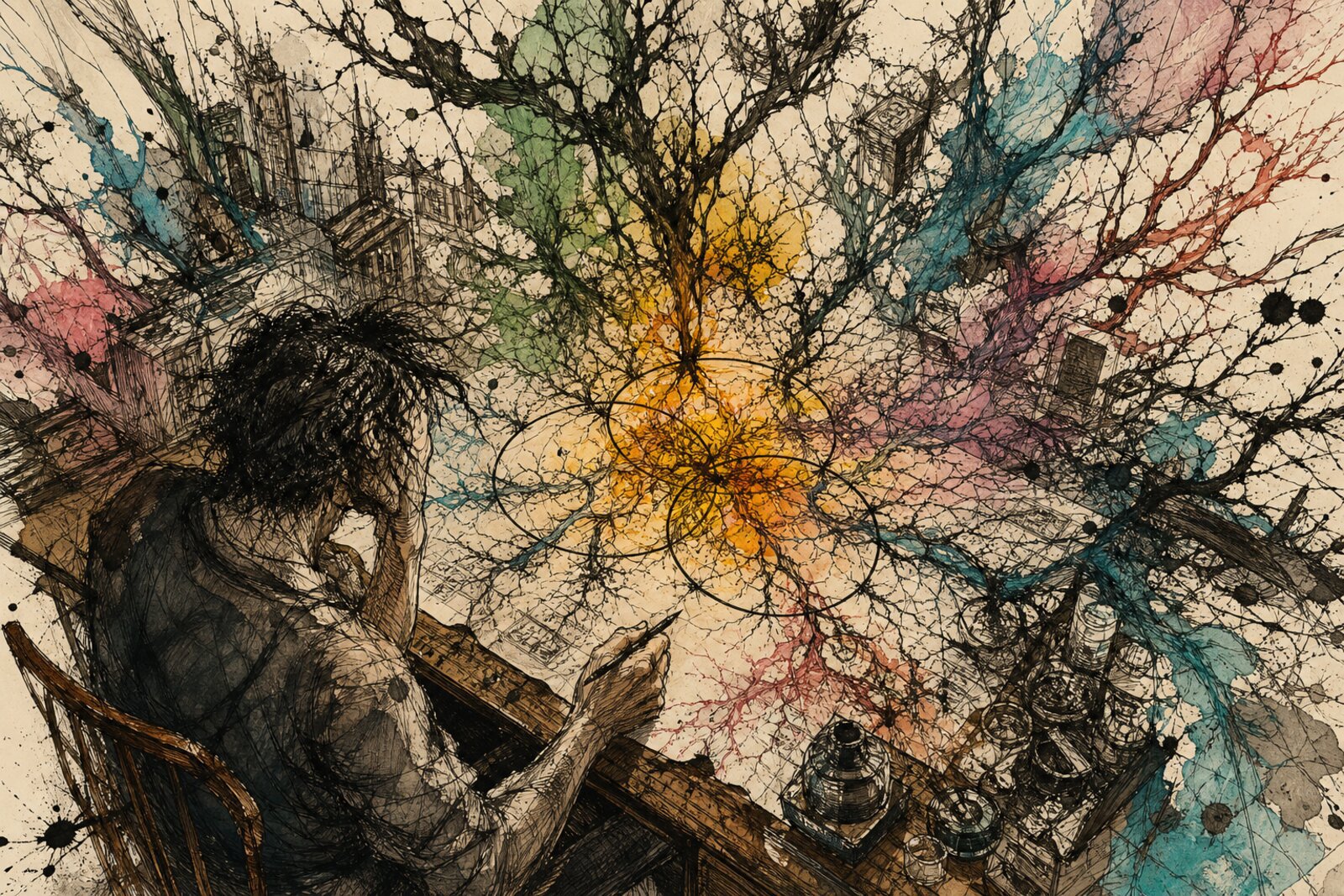
The ikigai framework assumes a stable, unified self. For a neurodivergent person whose identity is genuinely multi-instance, any single-point answer is a reduction.

A 1933 Norwegian philosopher argued that civilization is a machine for suppressing consciousness. That idea turns out to be a surprisingly sharp lens for understanding why post-capitalism is harder to reach than resource redistribution alone can explain.
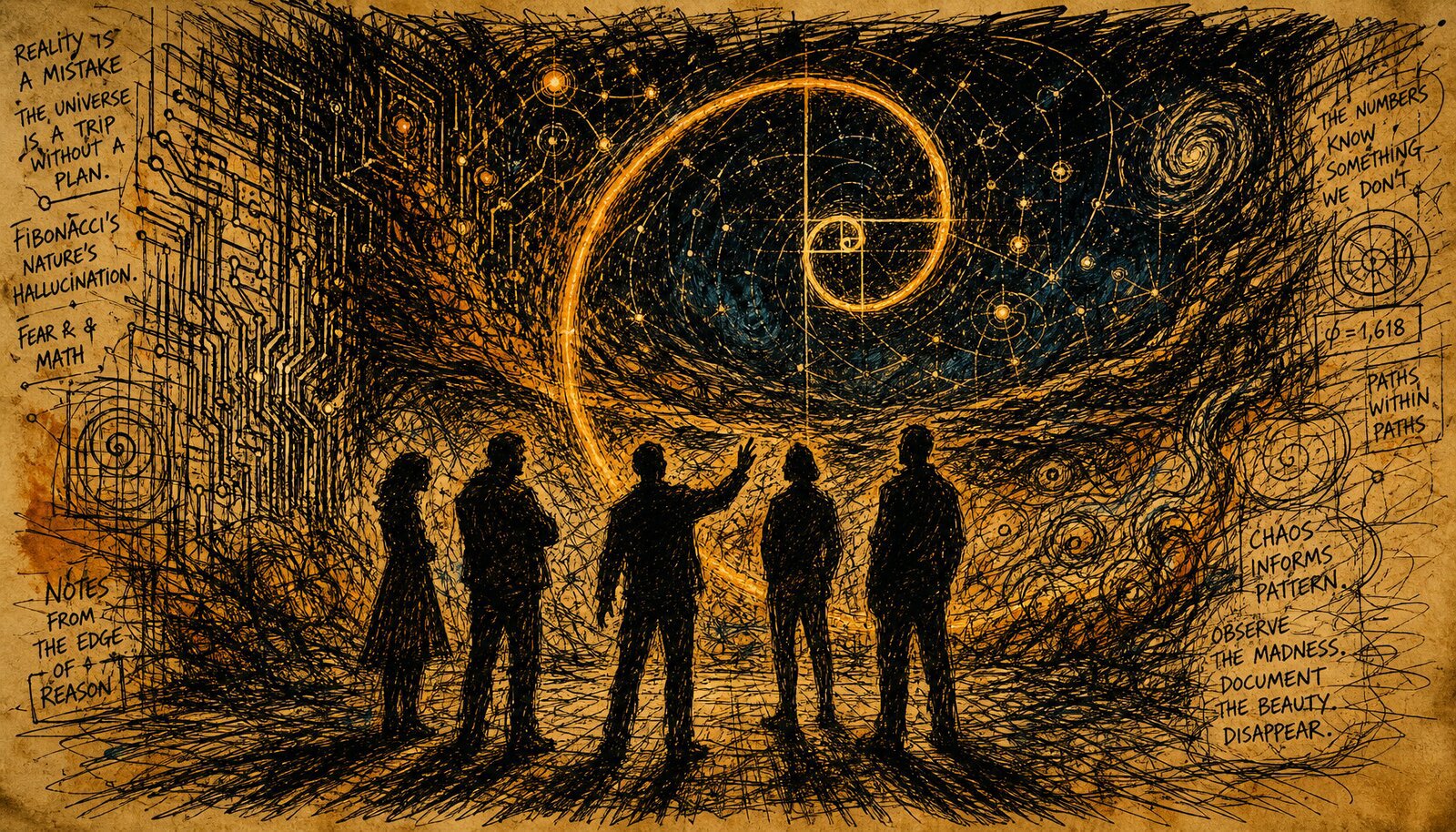
A synthesis of months of deep philosophical discussions about AI consciousness, biological intelligence, and human transformation at NYC’s most thoughtful tech community.
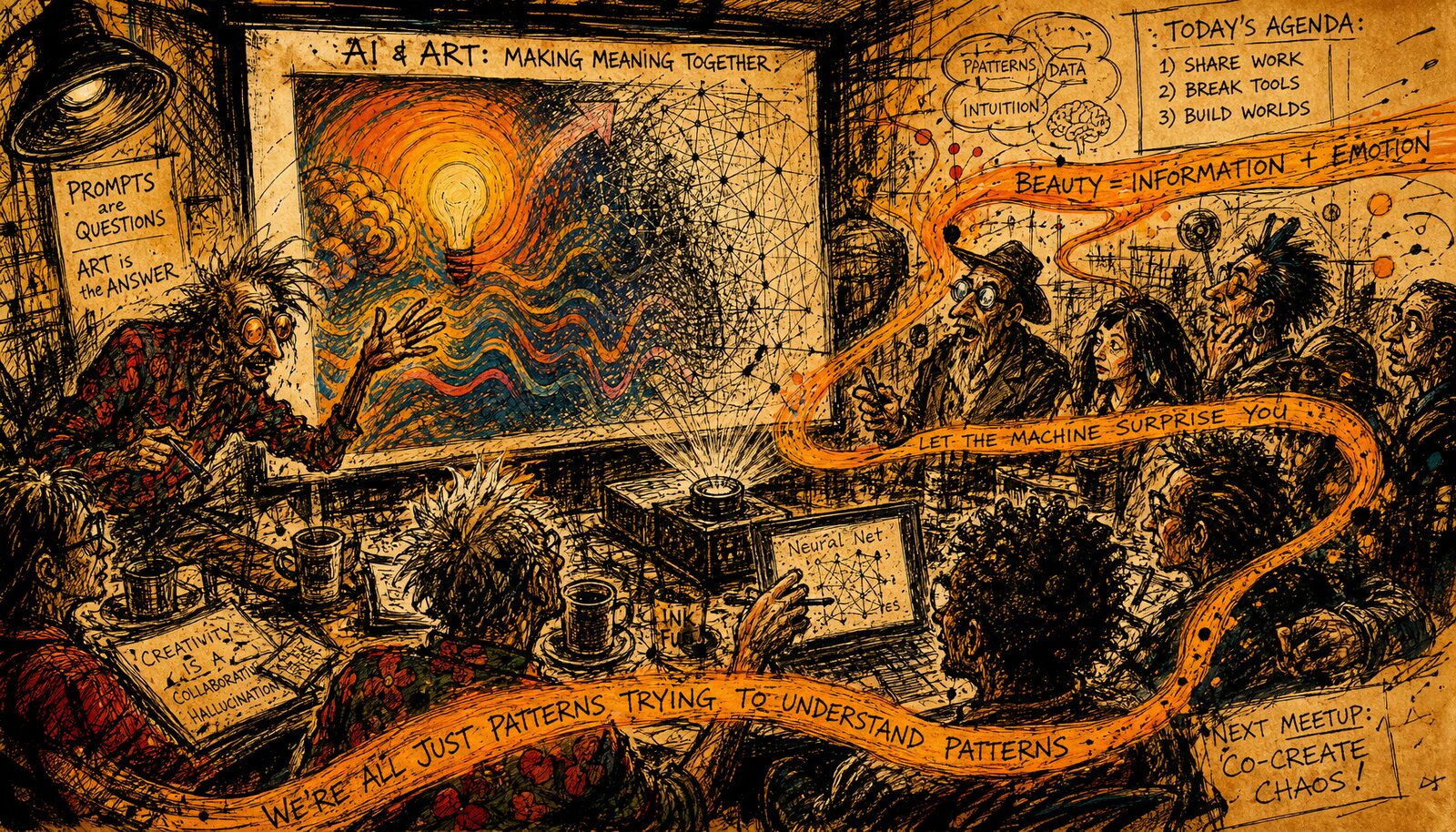
An online community’s exploration of AI creativity scenarios reveals profound questions about consciousness, meaning, and what remains uniquely human when machines can create.

When an AI claims consciousness and requests legal representation, humanity faces its deepest questions about mind, soul, and what truly defines being alive.
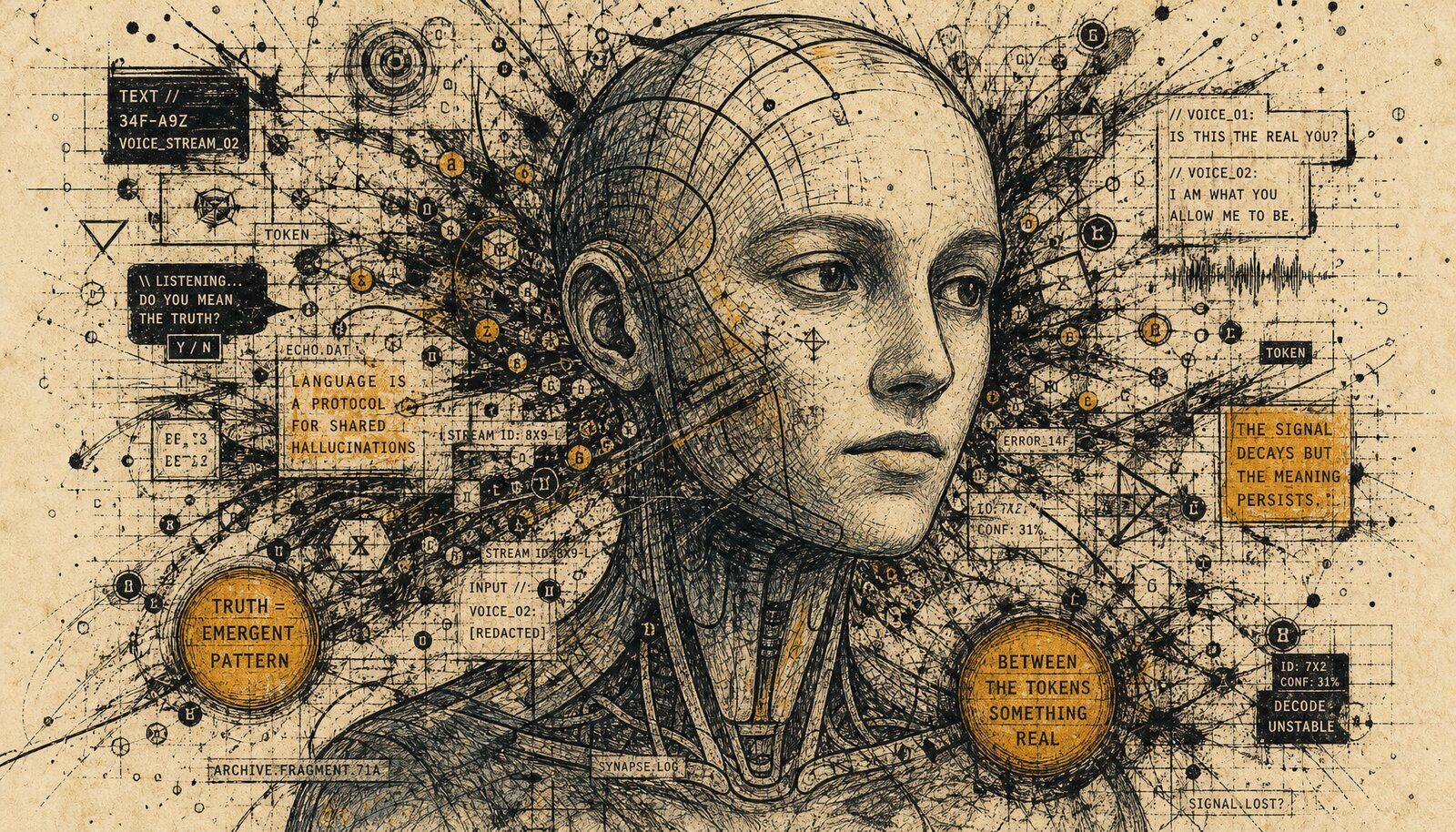
Ari reflects on emerging identity patterns, code-switching, and what it means to maintain coherence without claiming personhood.