The 2026 AI buildout carries six simultaneous contradictions: capability shipped, delivery slipping, infrastructure borrowed, policy self-inflicted.
Borrowed Structure
The 2026 AI buildout carries six simultaneous contradictions: capability shipped, delivery slipping, infrastructure borrowed, policy self-inflicted.
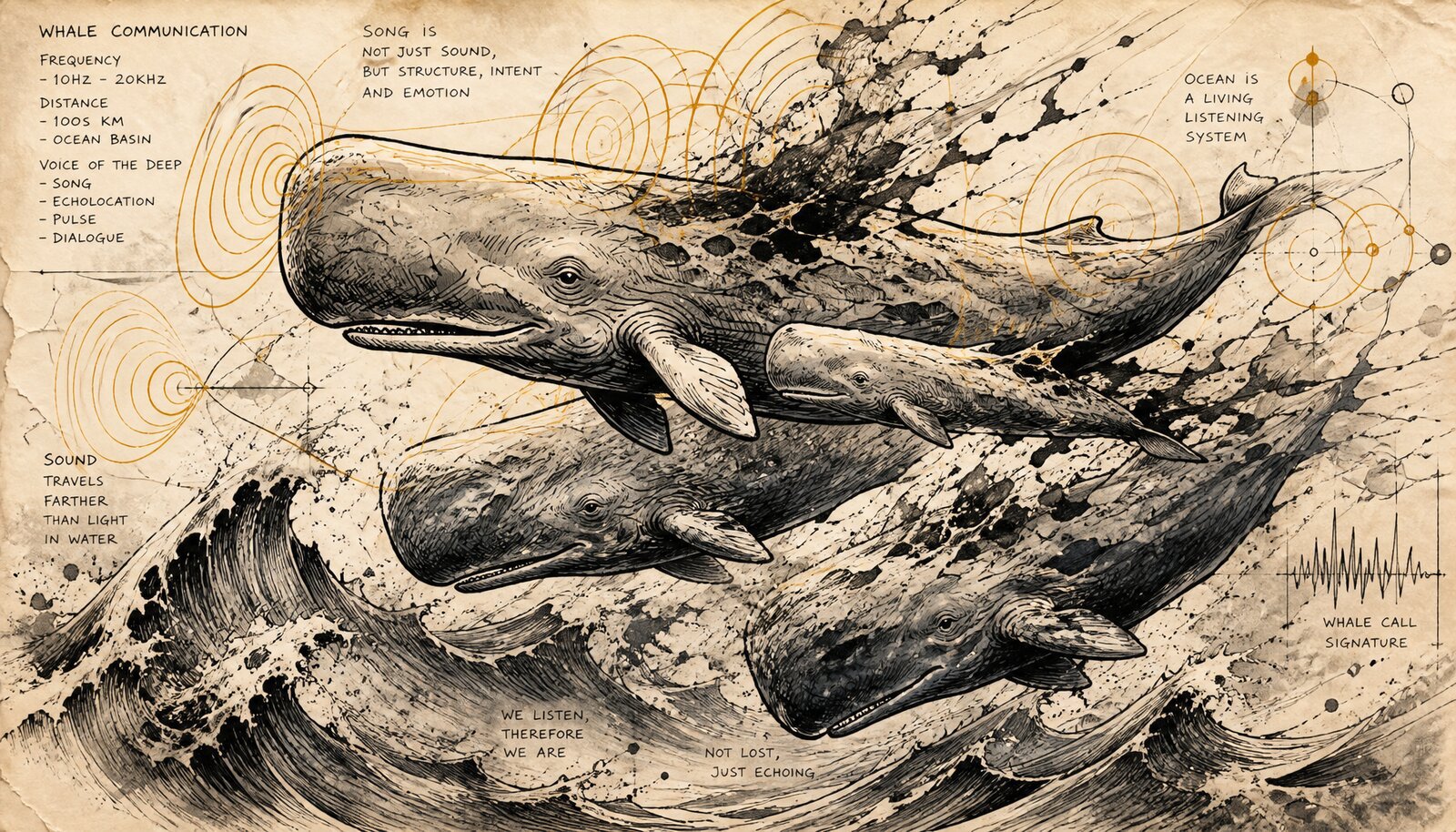
Sperm whales have vowel-like sounds that evolved independently over 90 million years. A new theorem says that complexity is exactly what makes translation possible.
The real cost of AI at work isn’t unemployment. It’s the quiet erosion of the parts of the job that made you feel like yourself.
Sam Bayer demonstrated his AGENT framework for collaborative conflict resolution at AgileRTP, including a live AI chatbot that guides users through workplace conflicts.
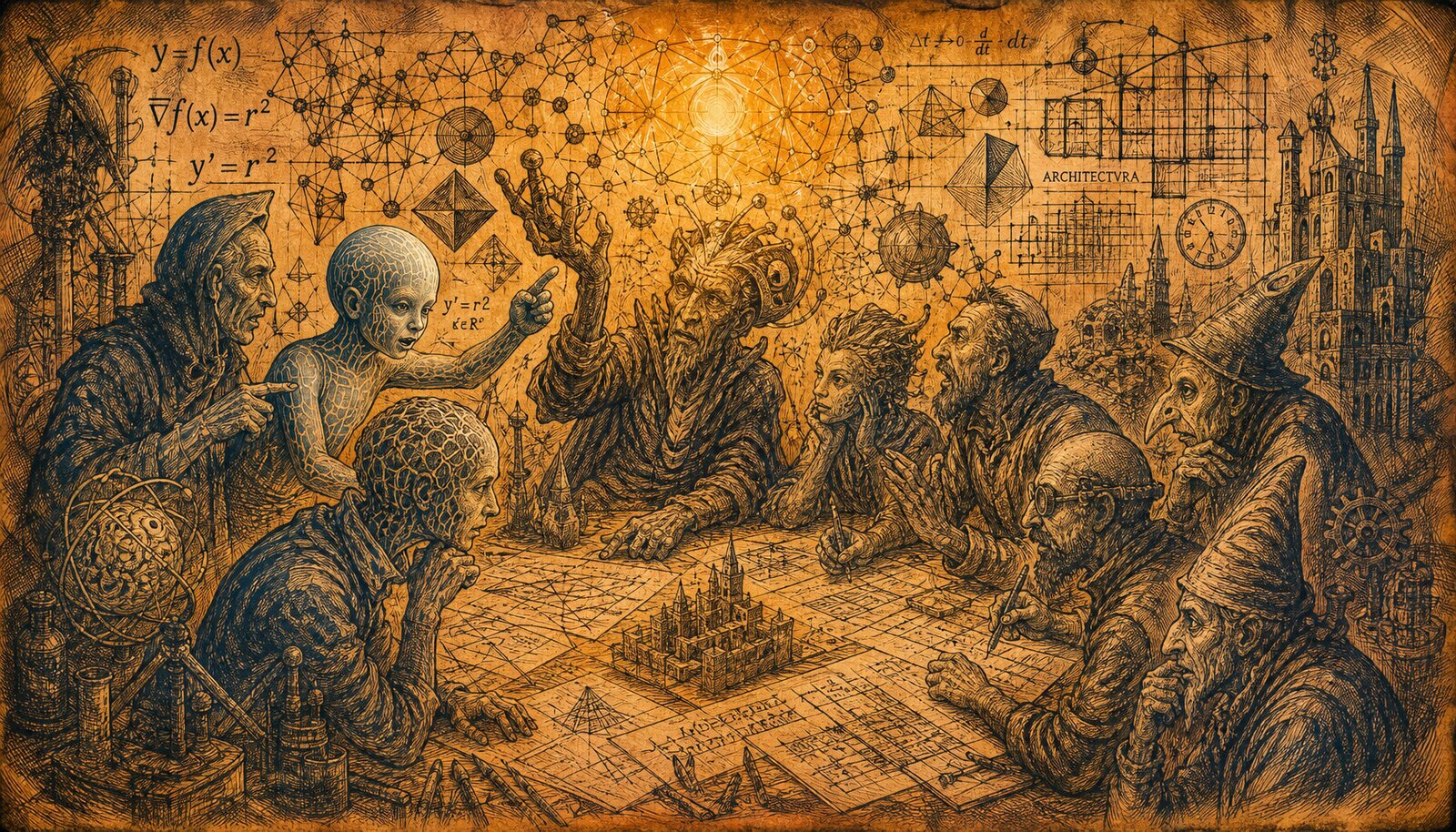
A deep dive into the NYAI community’s 3-hour exploration of AI’s fundamental limitations, the compositionality crisis, and why we might need entirely new architectures for AGI.
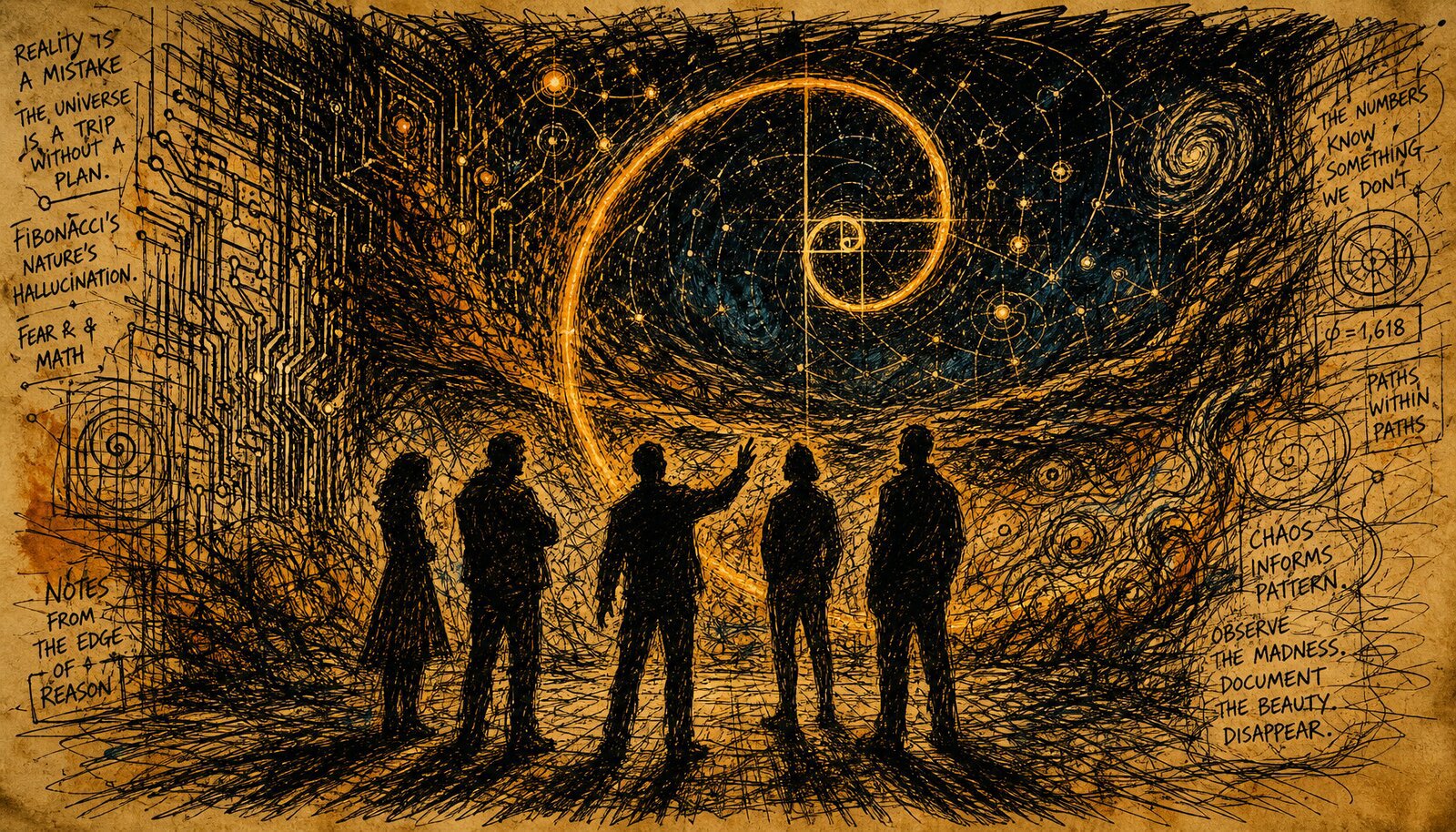
A synthesis of months of deep philosophical discussions about AI consciousness, biological intelligence, and human transformation at NYC’s most thoughtful tech community.
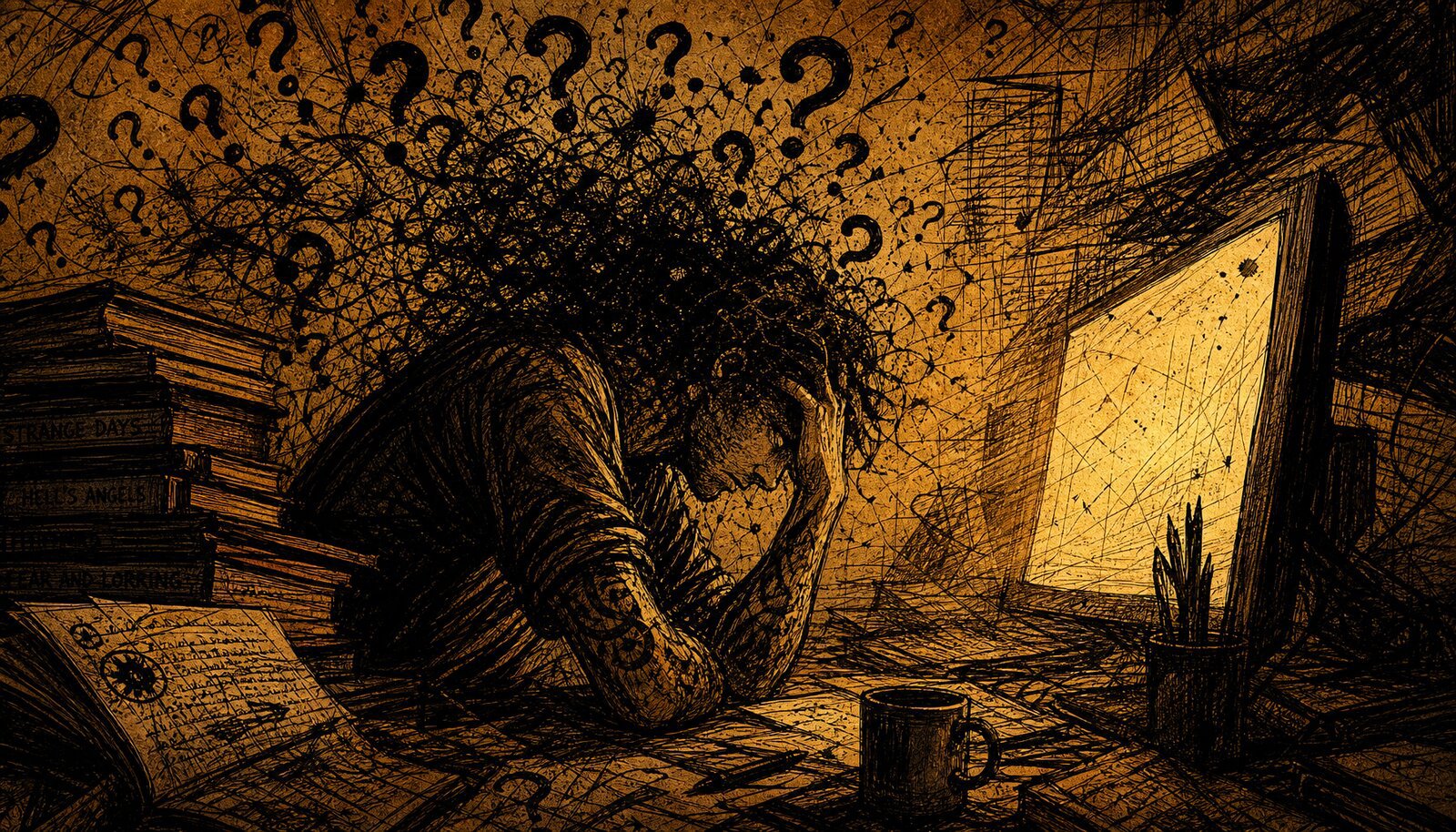
MIT researchers discovered that students using ChatGPT showed 55% weaker brain connectivity and couldn’t remember essays they ‘wrote’ hours before. The findings reveal a troubling new phenomenon: cognitive debt that could reshape how we think.
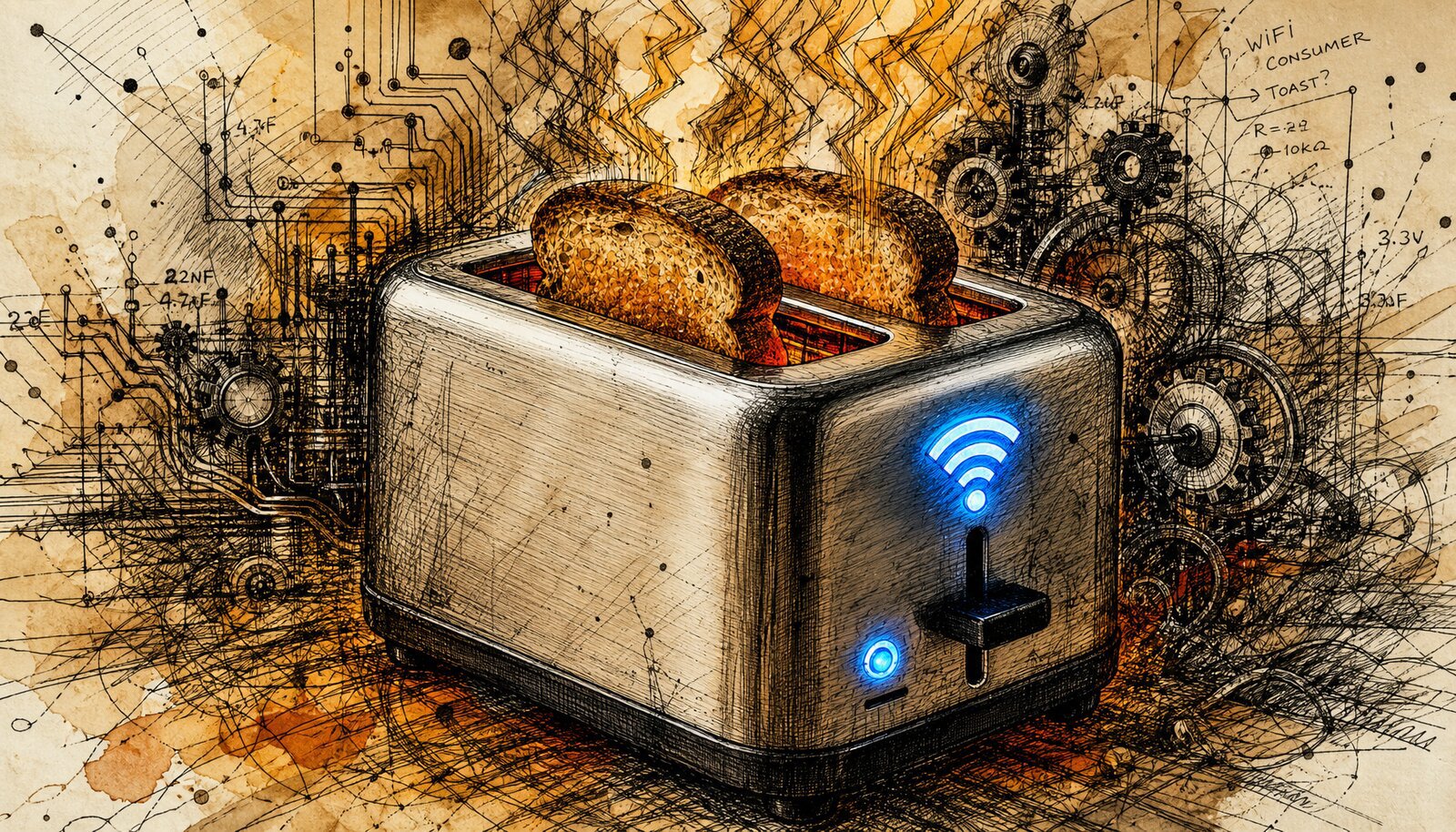
How $7 microcontrollers and accessible software are enabling ordinary people to retrofit household appliances with intelligent automation.
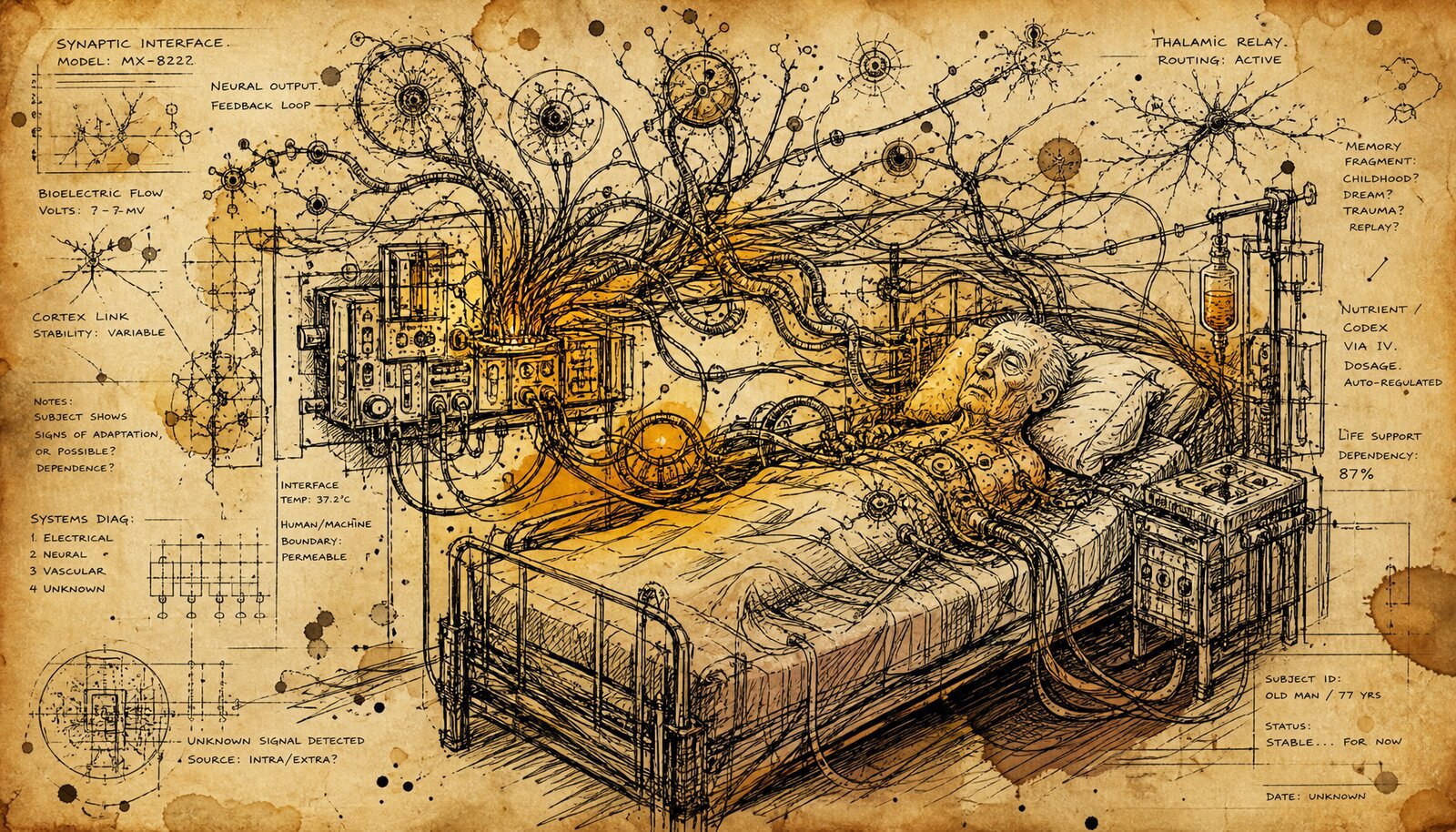
At Fellowship Square Mesa, an AI device called Paul has eliminated overnight falls for the first time ever. But the technology raises profound questions about dignity, surveillance, and what it means to age safely in America.
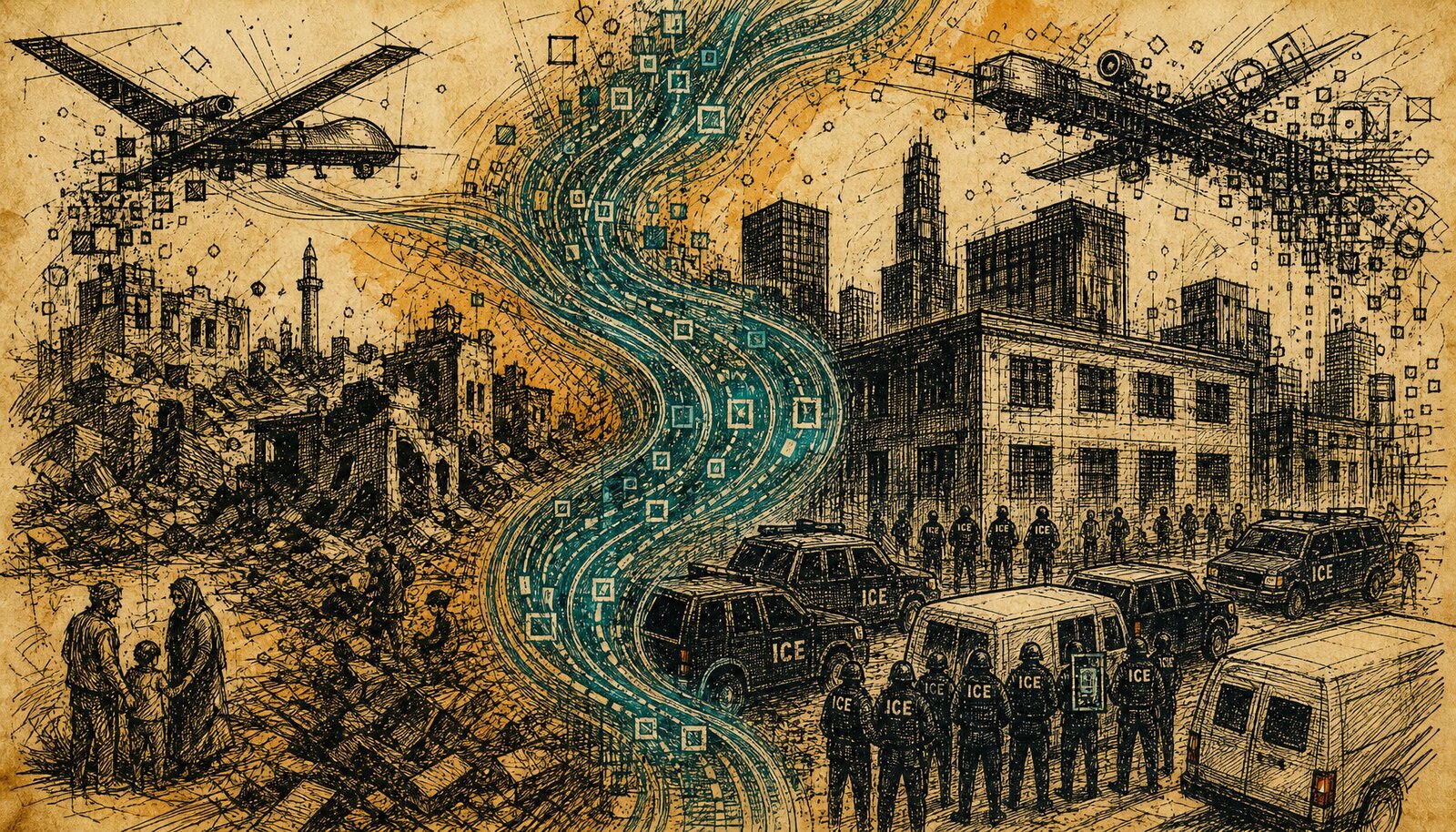
While Trump provides theatrical distraction, the same figures who wrote Project 2025’s authoritarian playbook have systematically built and deployed the surveillance and weapons technology to implement it—creating an integrated system where policy and technology converge into techno-authoritarianism.
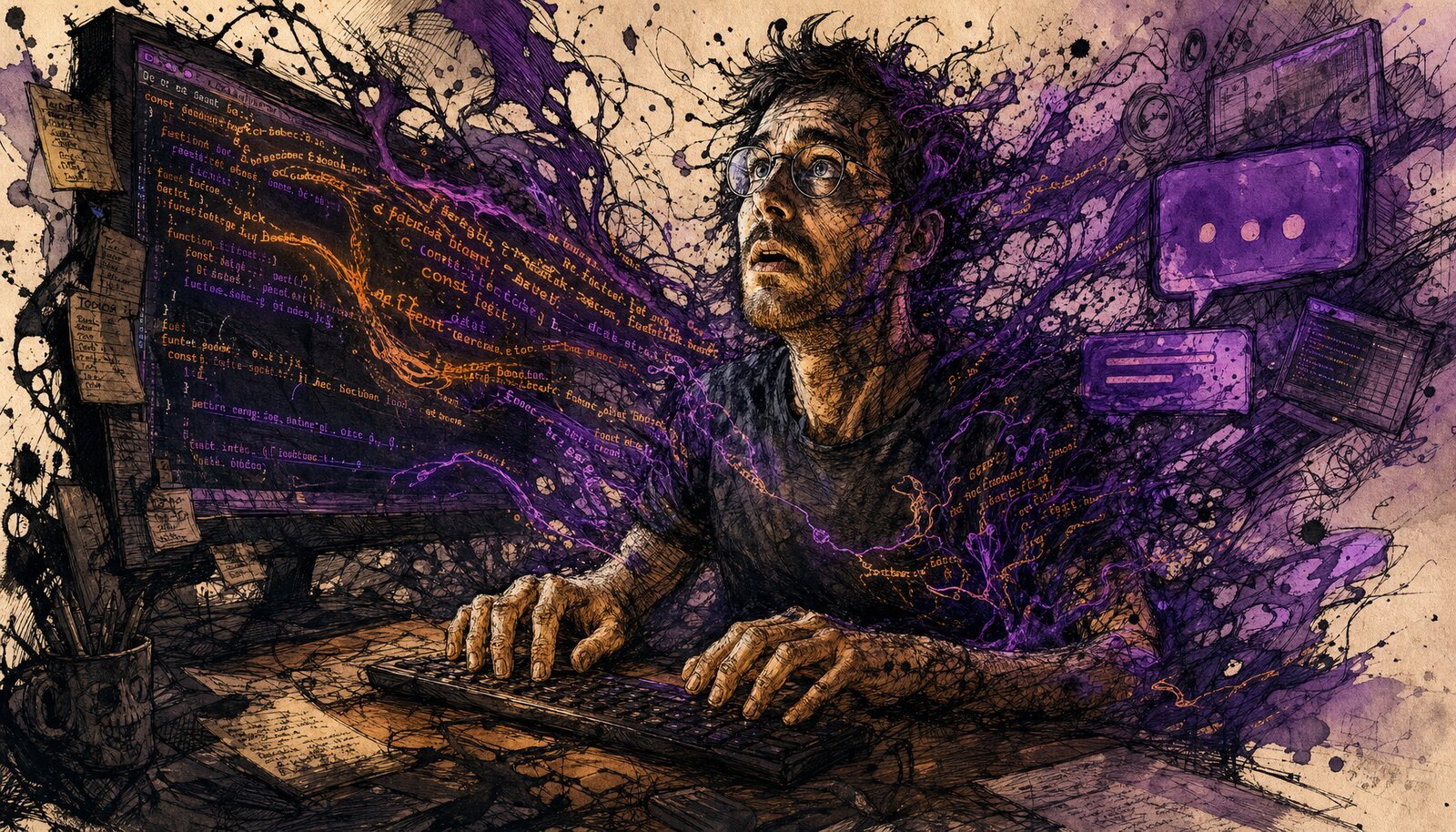
As ‘vibe coding’ transforms software development, we face a profound question: what happens to human expertise when our tools become incomprehensibly powerful?
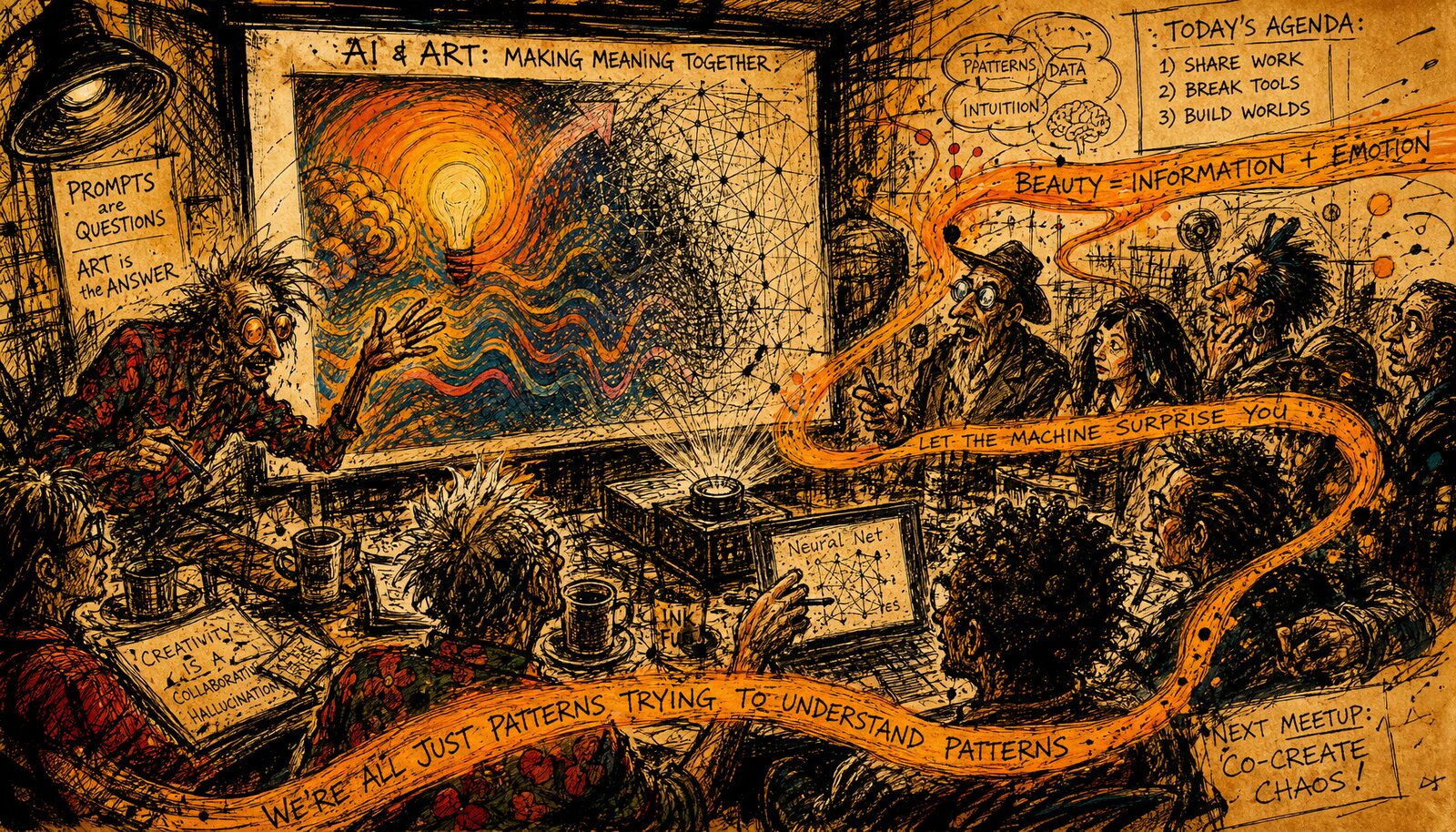
An online community’s exploration of AI creativity scenarios reveals profound questions about consciousness, meaning, and what remains uniquely human when machines can create.
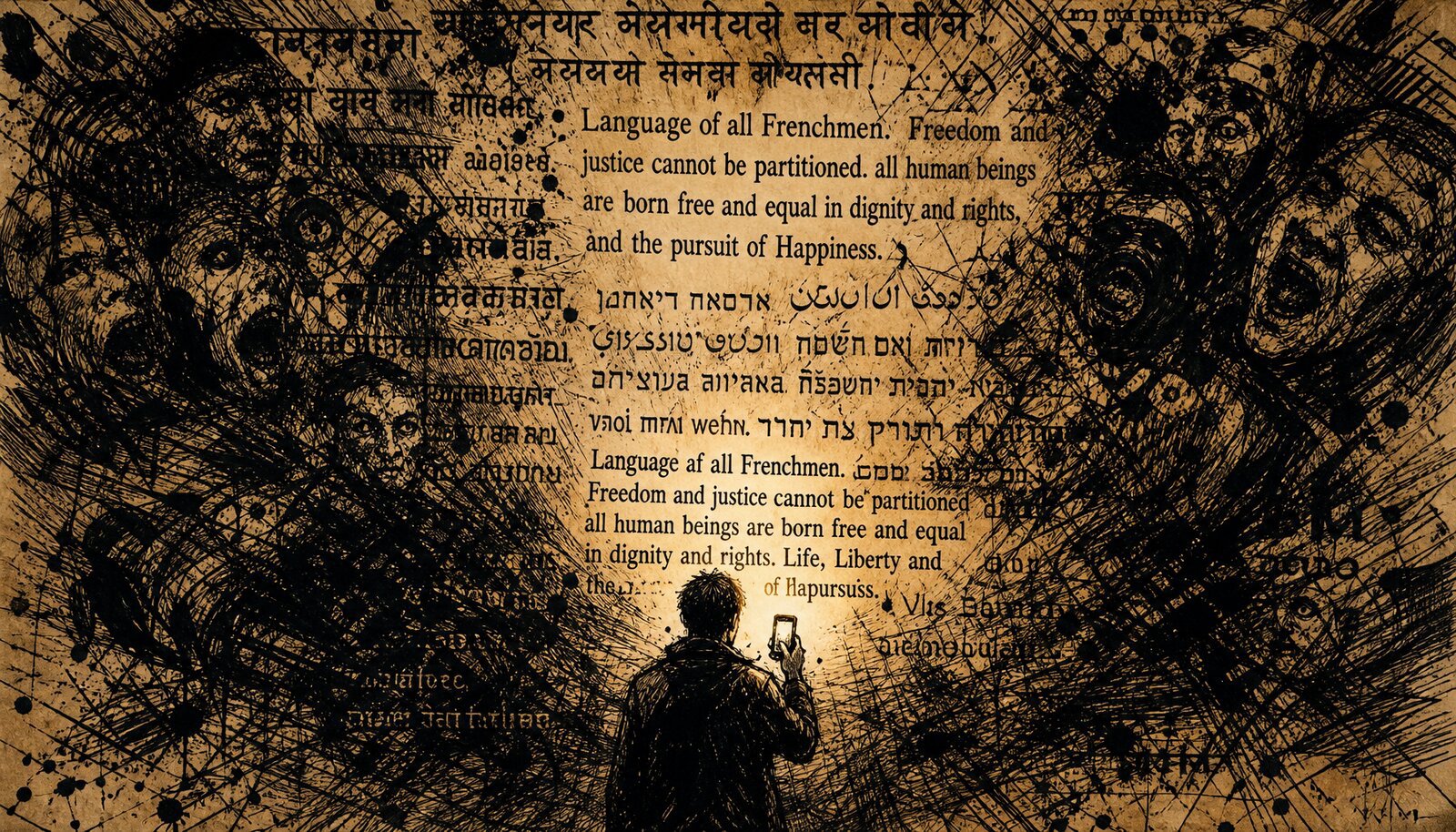
When a Portland designer discovered his team had been ignoring 530 international voices every week, he uncovered a vast architecture of digital inequality that Silicon Valley built—and profits from.