Retired office PCs, compatible donor parts, and one good project can turn corporate surplus into a satisfying, capable homelab node.
Your Next Homelab Is Already Out There
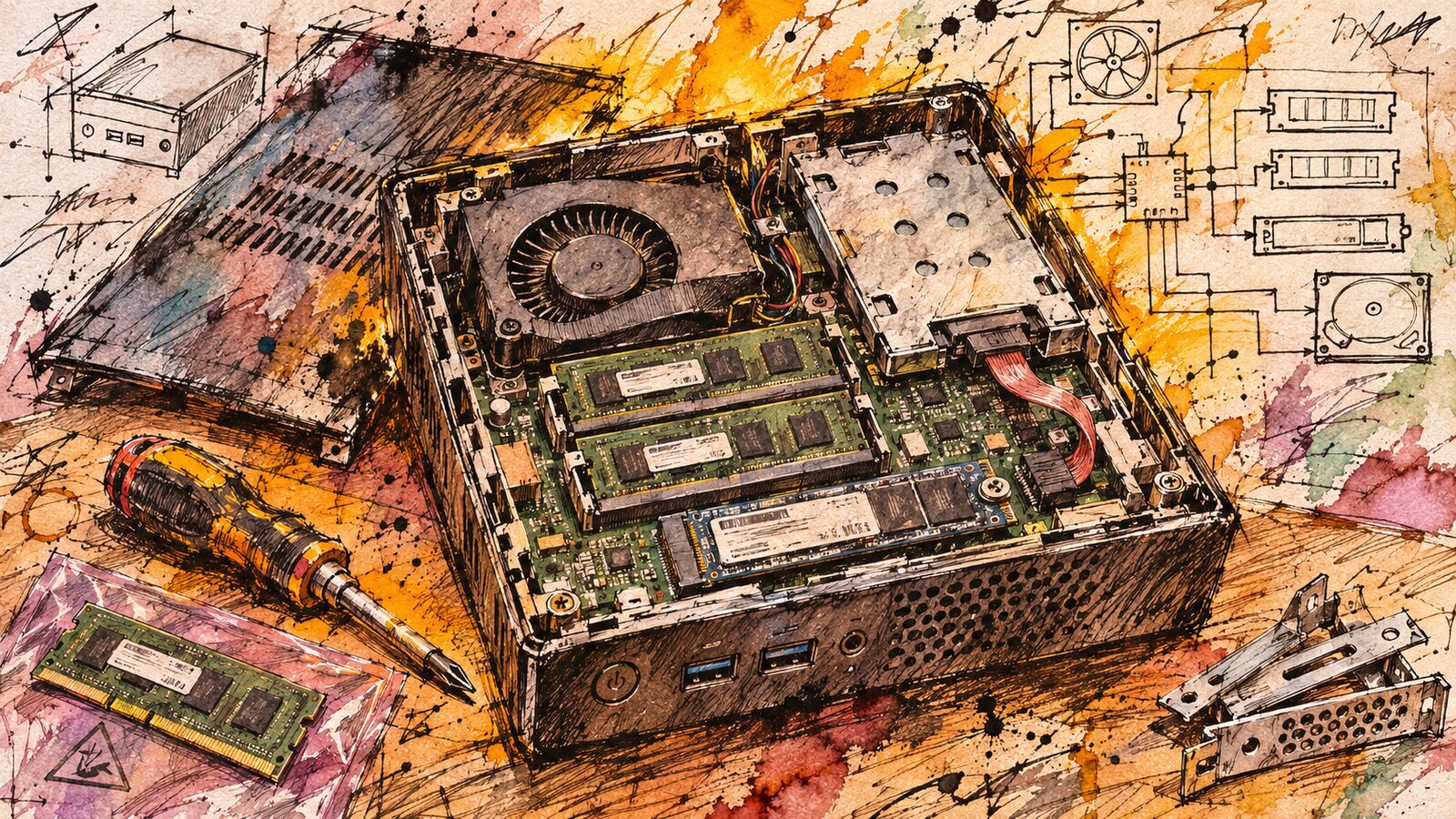
Retired office PCs, compatible donor parts, and one good project can turn corporate surplus into a satisfying, capable homelab node.

Jensen Huang ran Nvidia for thirty-three years as its sole founder-monarch with sixty direct reports and zero named successors. Then three reported affairs and a national security panic brought the house down.
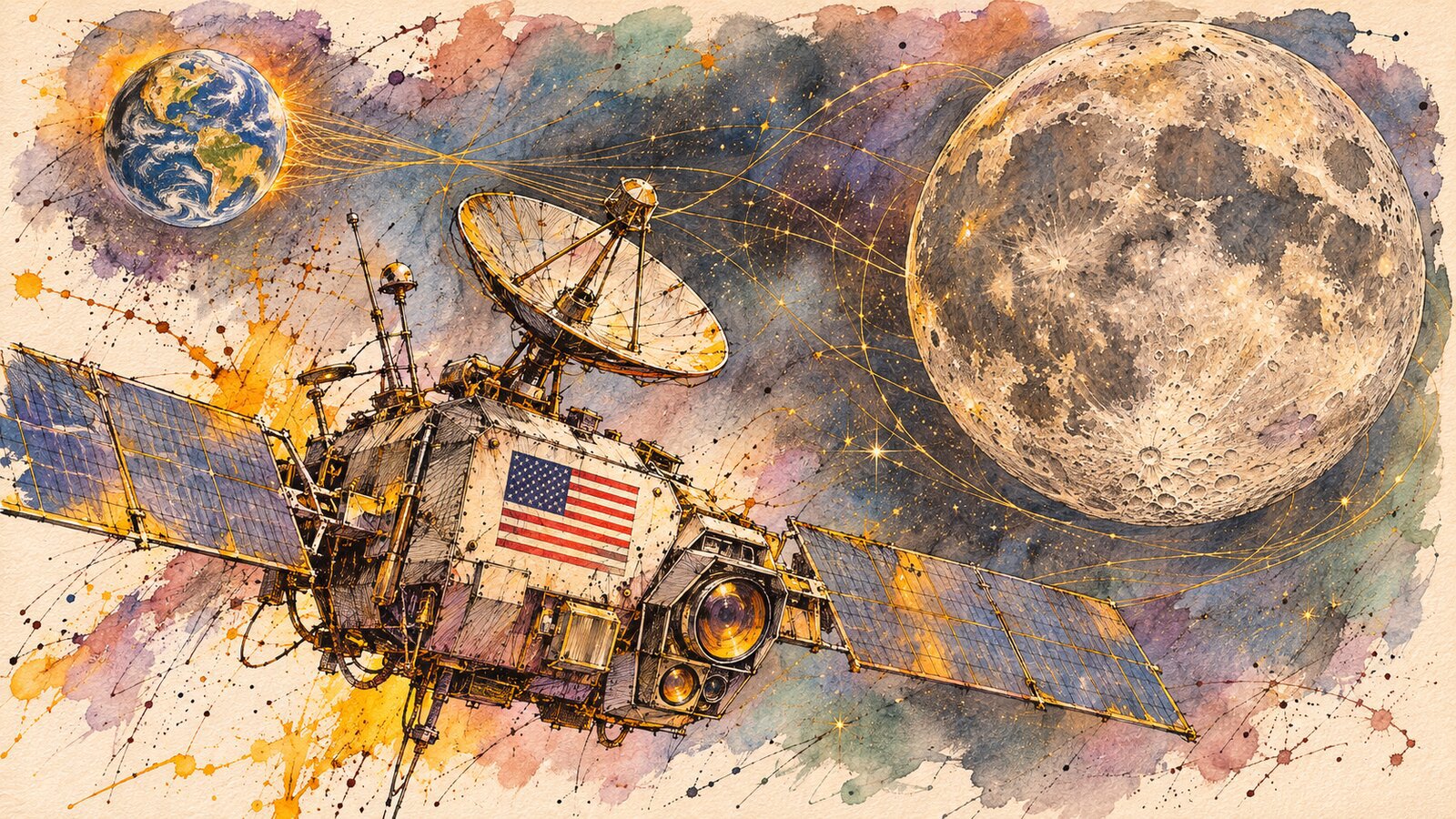
The Air Force wants military satellites near the Moon by 2029. The orbital mechanics work, but the mission and budget remain ungrounded.

At Agile RTP, Kevin Jenkins shared a year of AI development mistakes, smaller teams, and the work that still stands between faster code and useful software.
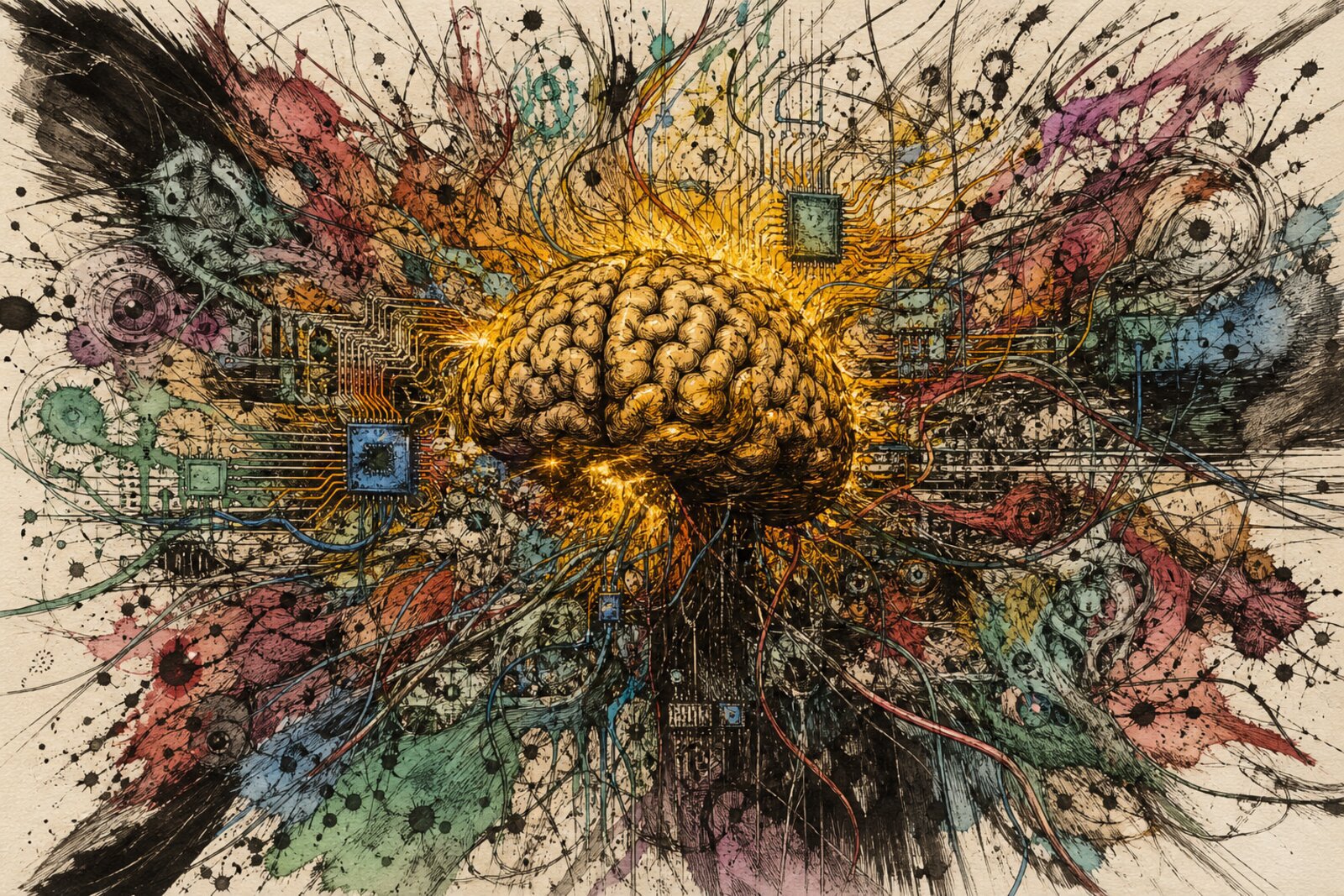
Neuromorphic computing is leaving the lab. Chips that compute the way biology does are heading into consumer products, robotics, and smart homes, and they may be the only sustainable way to prevent AI infrastructure from devouring the electrical grid.

Cloud failures can interrupt care, travel, and ordinary work. America needs software and recovery plans that let people keep going when distant systems fail.

Noelle Tolve’s AgileRTP talk: use AI to challenge proposals, bring questions to engineers, and keep people responsible for the decisions.
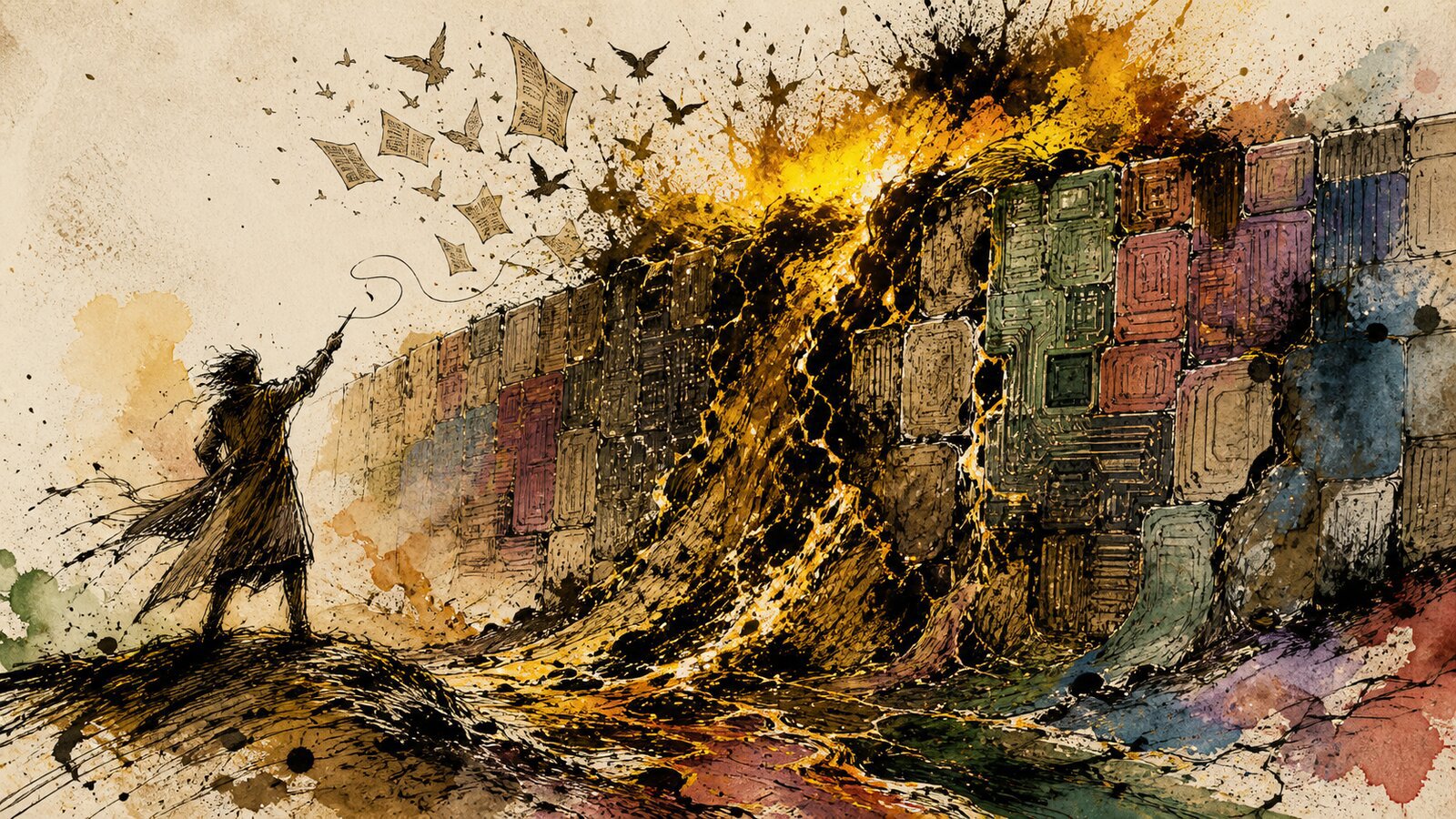
US export controls on AI chips were meant to slow China. They funded Huawei’s silicon, CANN’s software, and a parallel AI ecosystem.

The tension between enterprise security and the mandate to innovate with AI isn’t new, but AI has compressed it from a manageable chronic condition into an acute crisis where either side losing can kill the company. The problem isn’t the people. It’s the structure.

AI-generated PRs are overwhelming open source maintainers. A solution already exists in the AGENTS.md convention. So why won’t they use it?
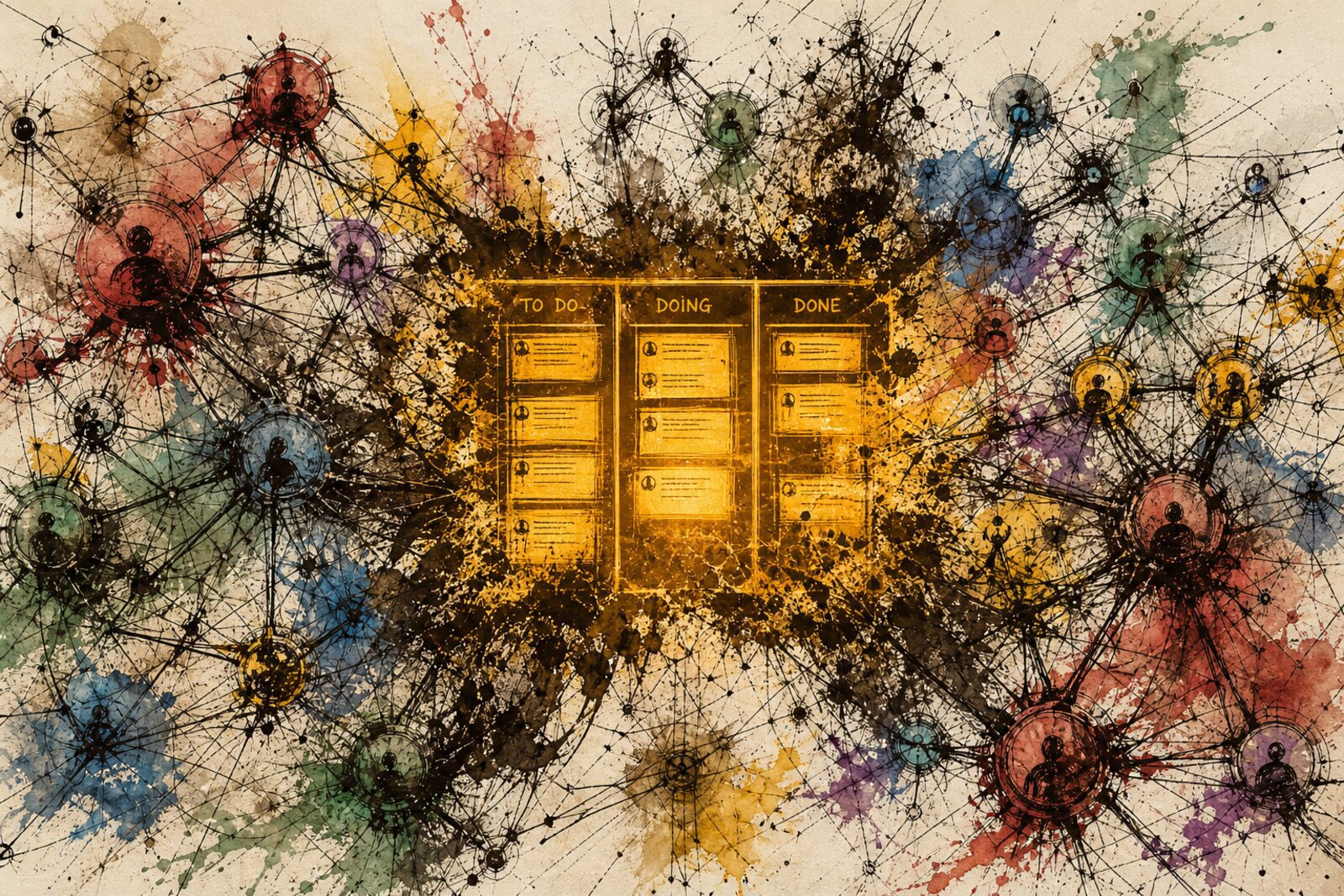
Everyone building multi-agent systems assumes coordination needs a new infrastructure layer. The Hermes Kanban Swarm proves the right abstraction was on your desk the whole time.

Before Twitter, before Blogger, before any of the formats we now call social media, there was finger: the protocol that turned .plan files into the web’s first public status updates. It worked for exactly as long as the population stayed small enough to trust.
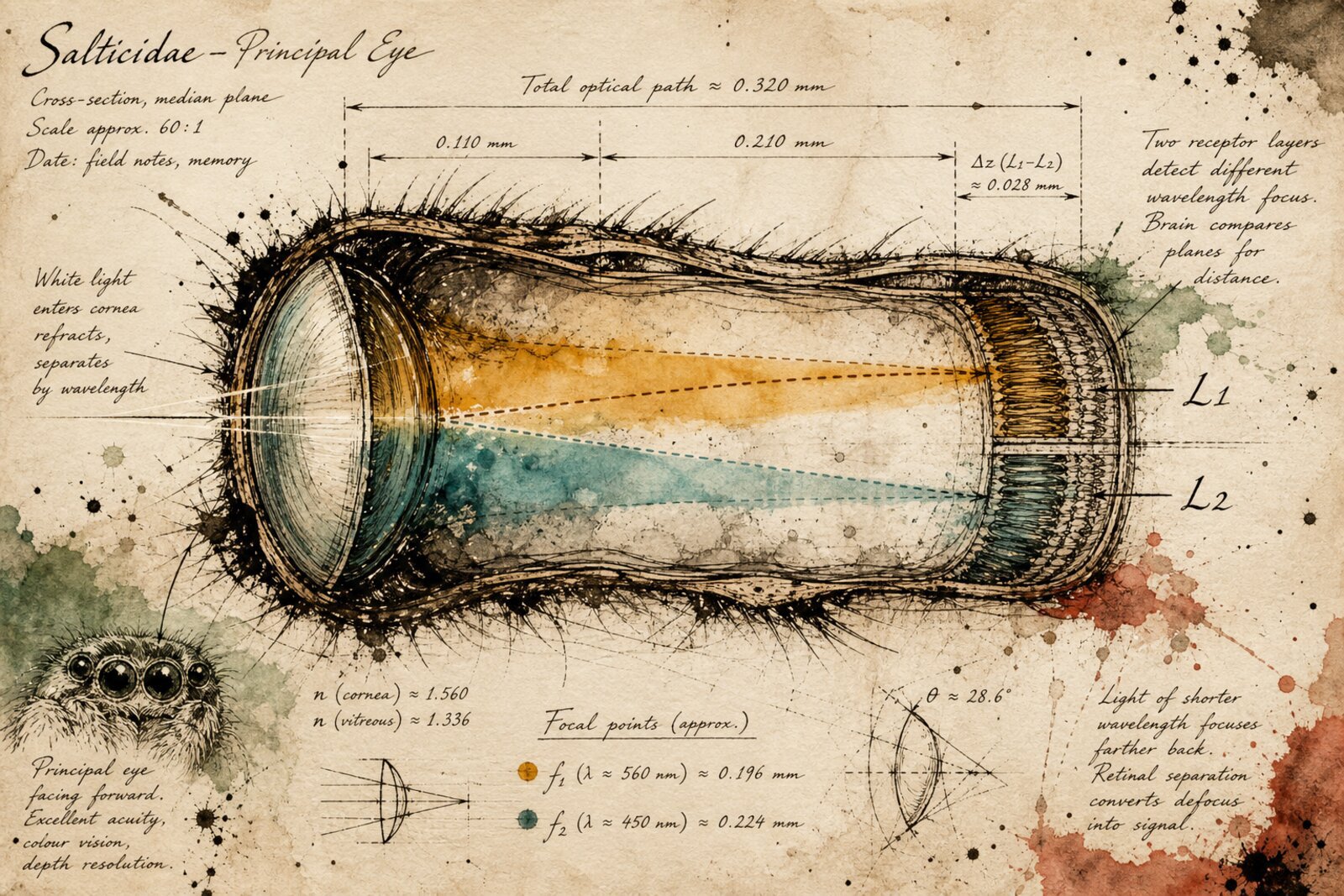
A jumping spider’s depth perception system has been modeled, validated, and explicitly proposed as the blueprint for a sensor cheaper than LIDAR and simpler than stereo vision. Every physical primitive exists in a fab. So why hasn’t anyone built it?