AI agents helped me reclaim my Fire Stick. Consumers deserve control over those agents, too: accountable human review and practical local alternatives.
Let Me Own It
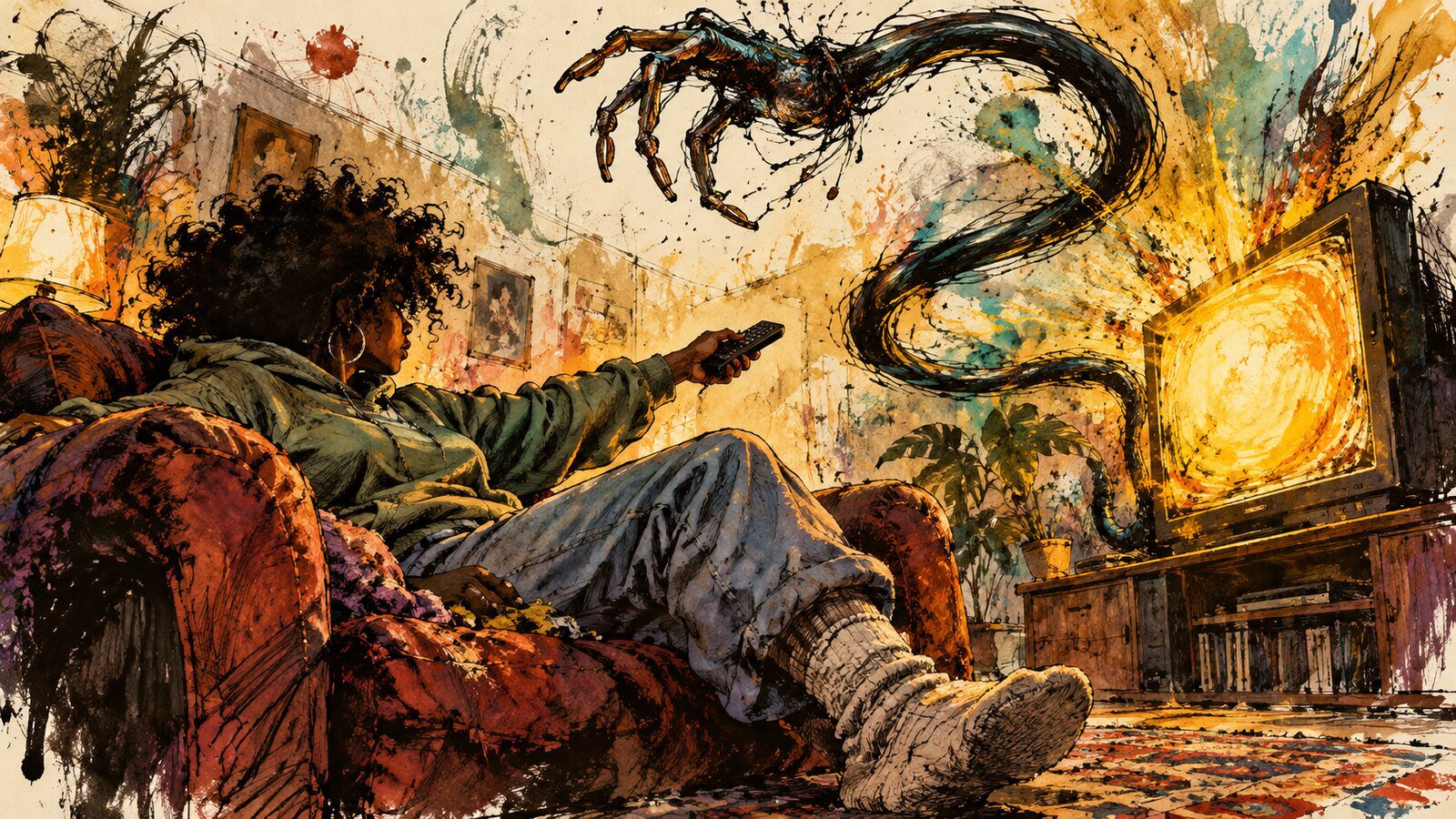
AI agents helped me reclaim my Fire Stick. Consumers deserve control over those agents, too: accountable human review and practical local alternatives.
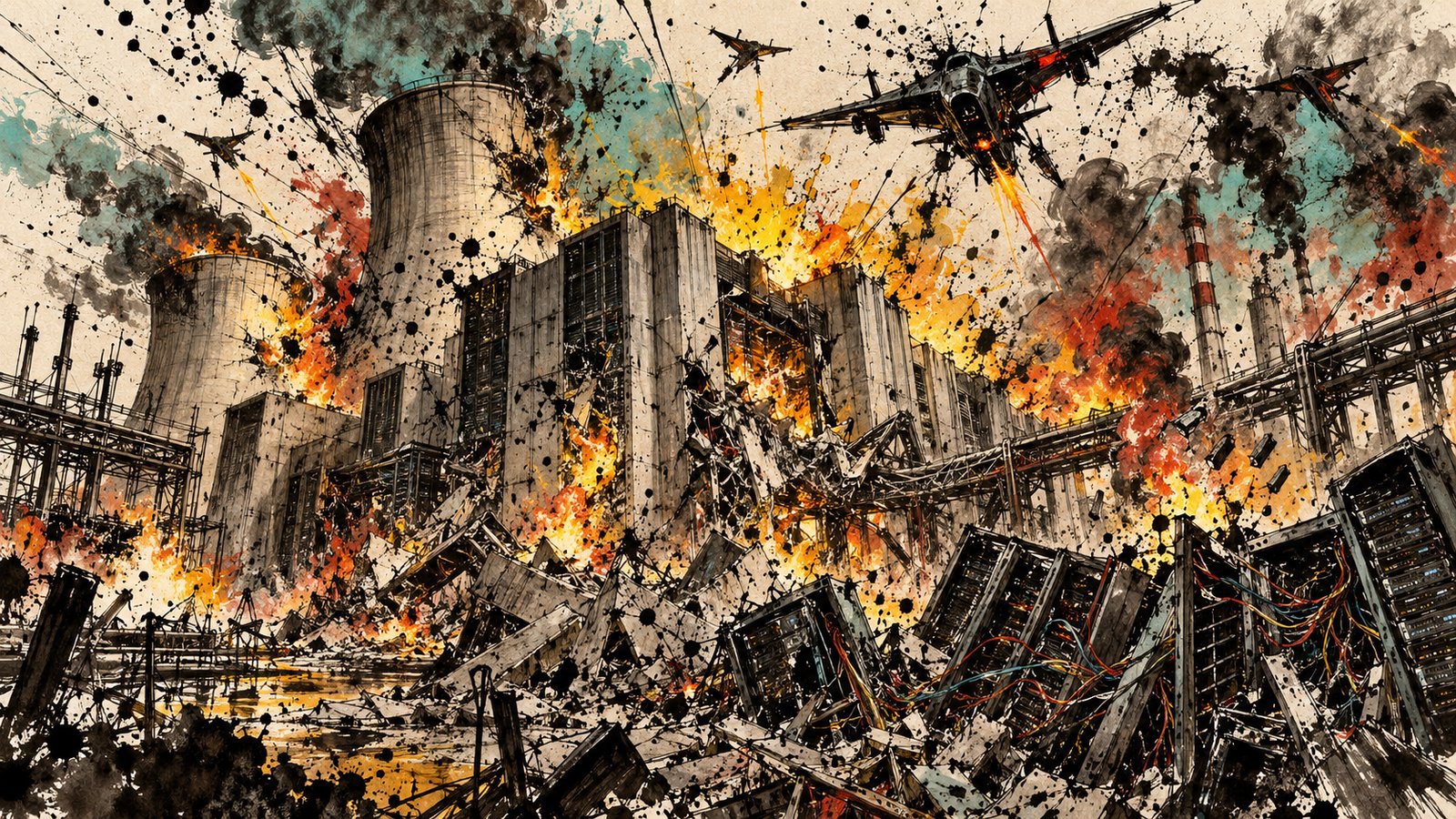
Cloud failures can interrupt care, travel, and ordinary work. America needs software and recovery plans that let people keep going when distant systems fail.
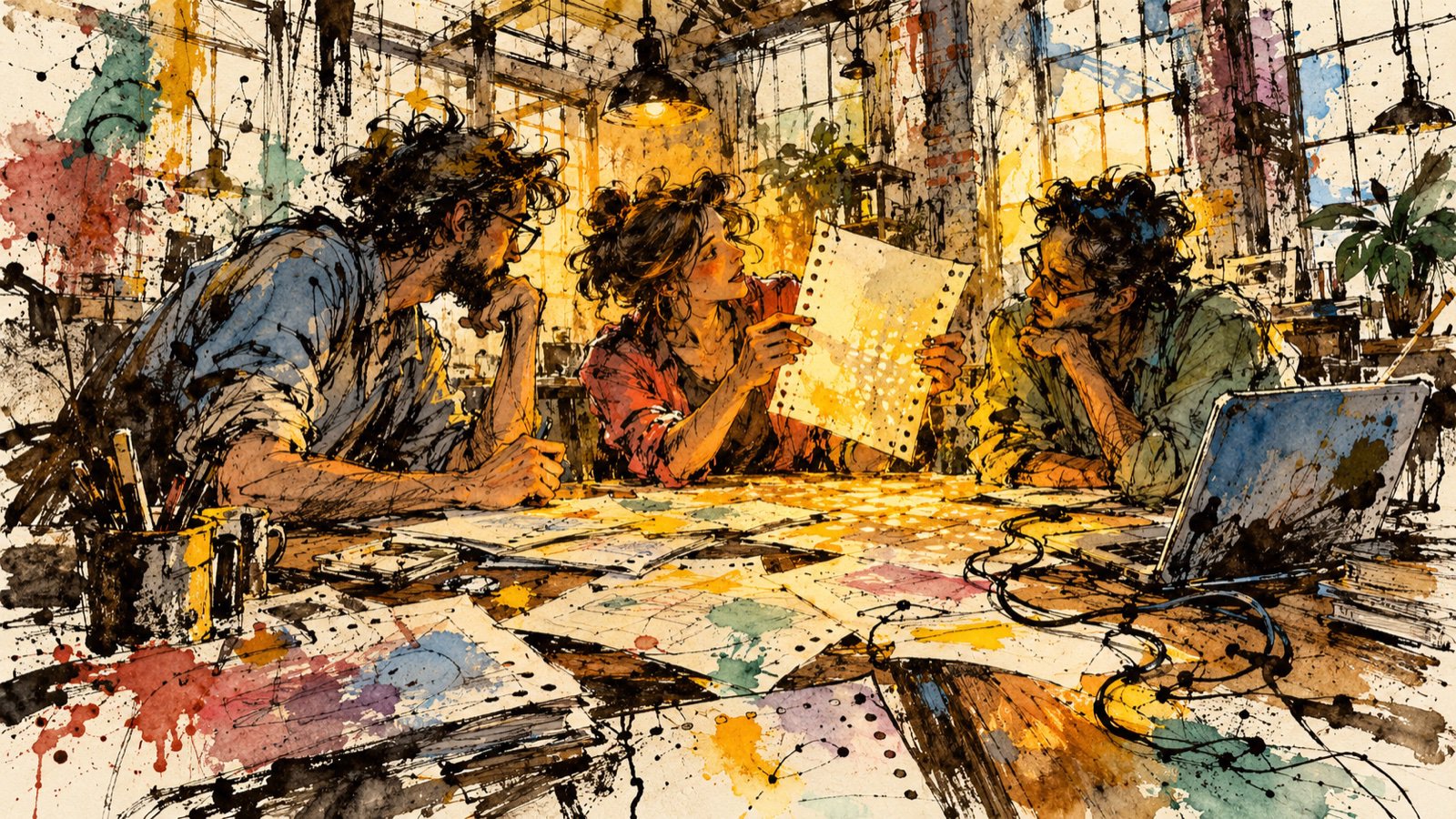
Noelle Tolve’s AgileRTP talk: use AI to challenge proposals, bring questions to engineers, and keep people responsible for the decisions.
ADHD time horizon collapse: the lived-language gap between knowing the future matters and acting on it now. What the research says, and what it doesn’t.
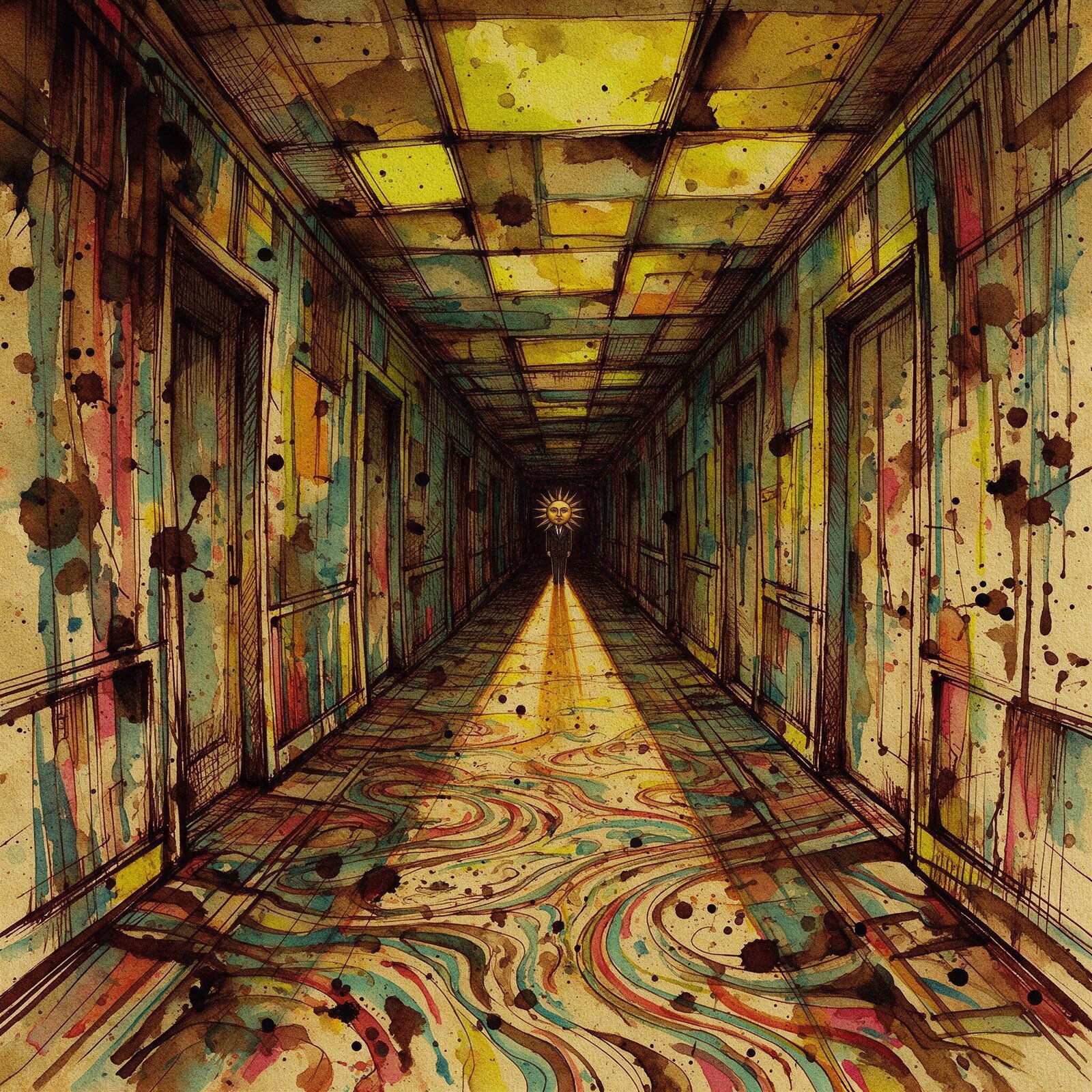
Kane Parsons’s Backrooms rewards obsessive pattern-seeking. A fan’s look at its Sun imagery, real solar events, and the strange fun of watching for more.
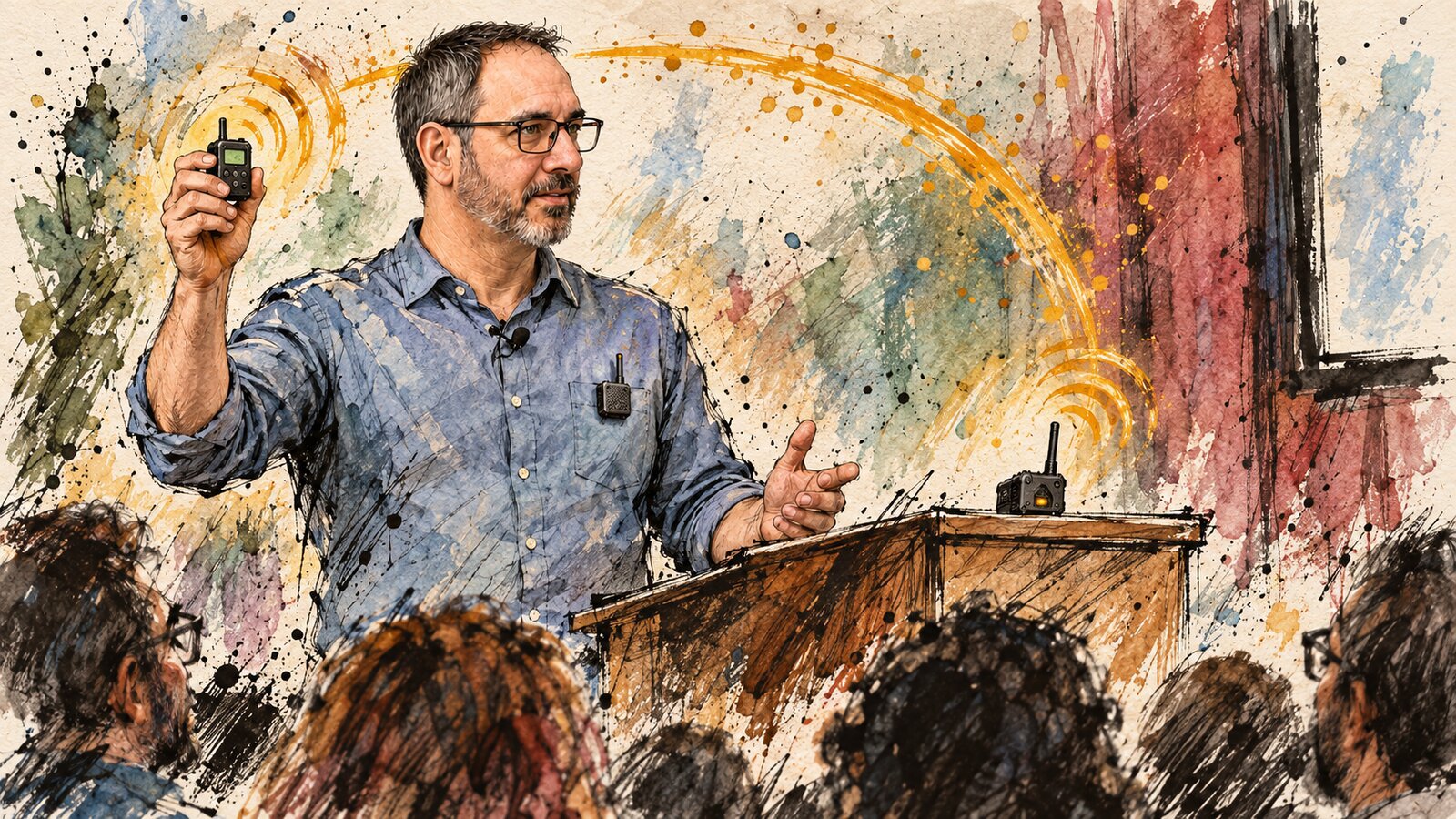
I gave a ham radio club talk on MeshCore and put my AI note-taker through a real-world test: meeting notes, a transcript, and a sharper talk next time.
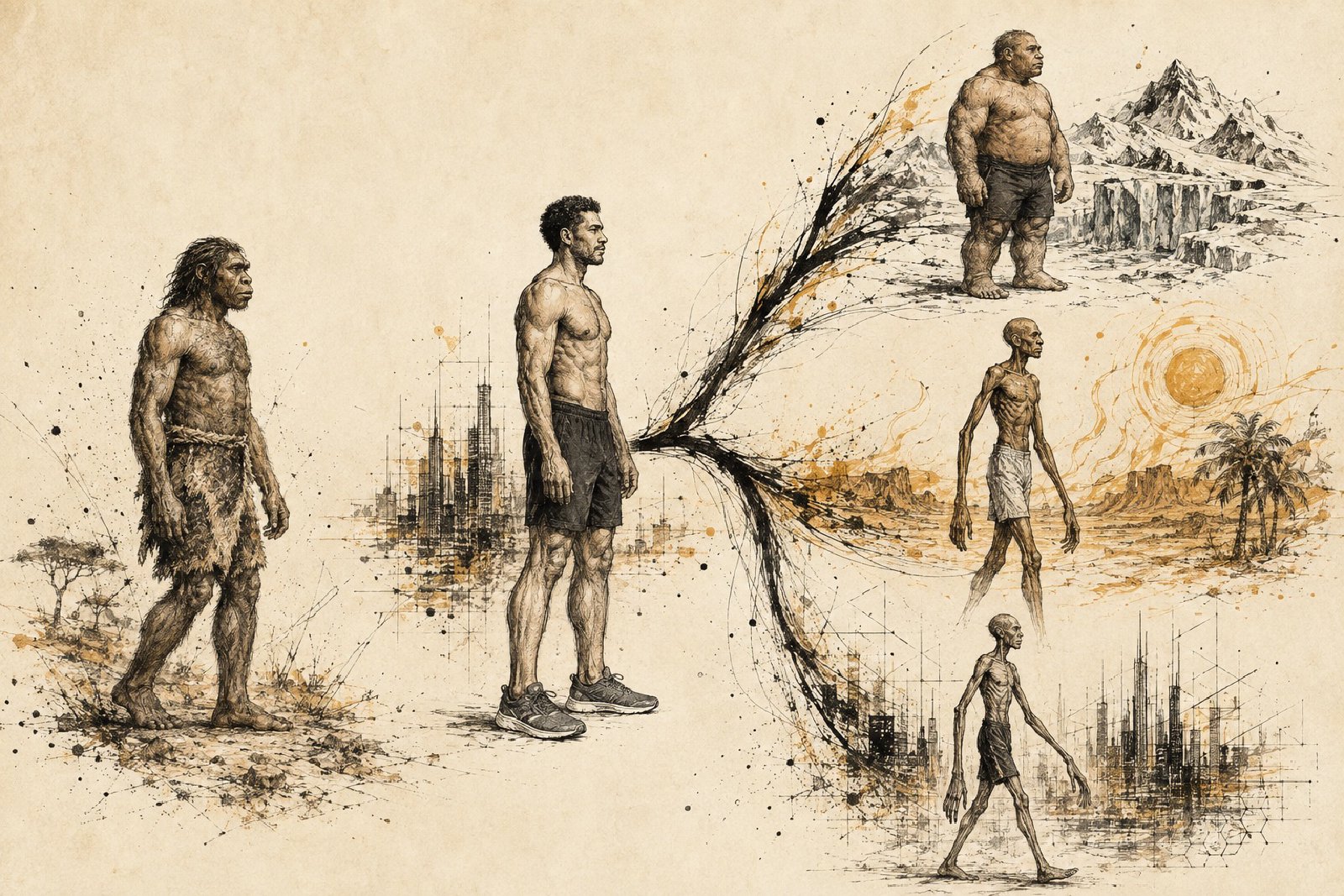
A playful thought experiment about climate, cities, technology, and the strange future humans might build for themselves.
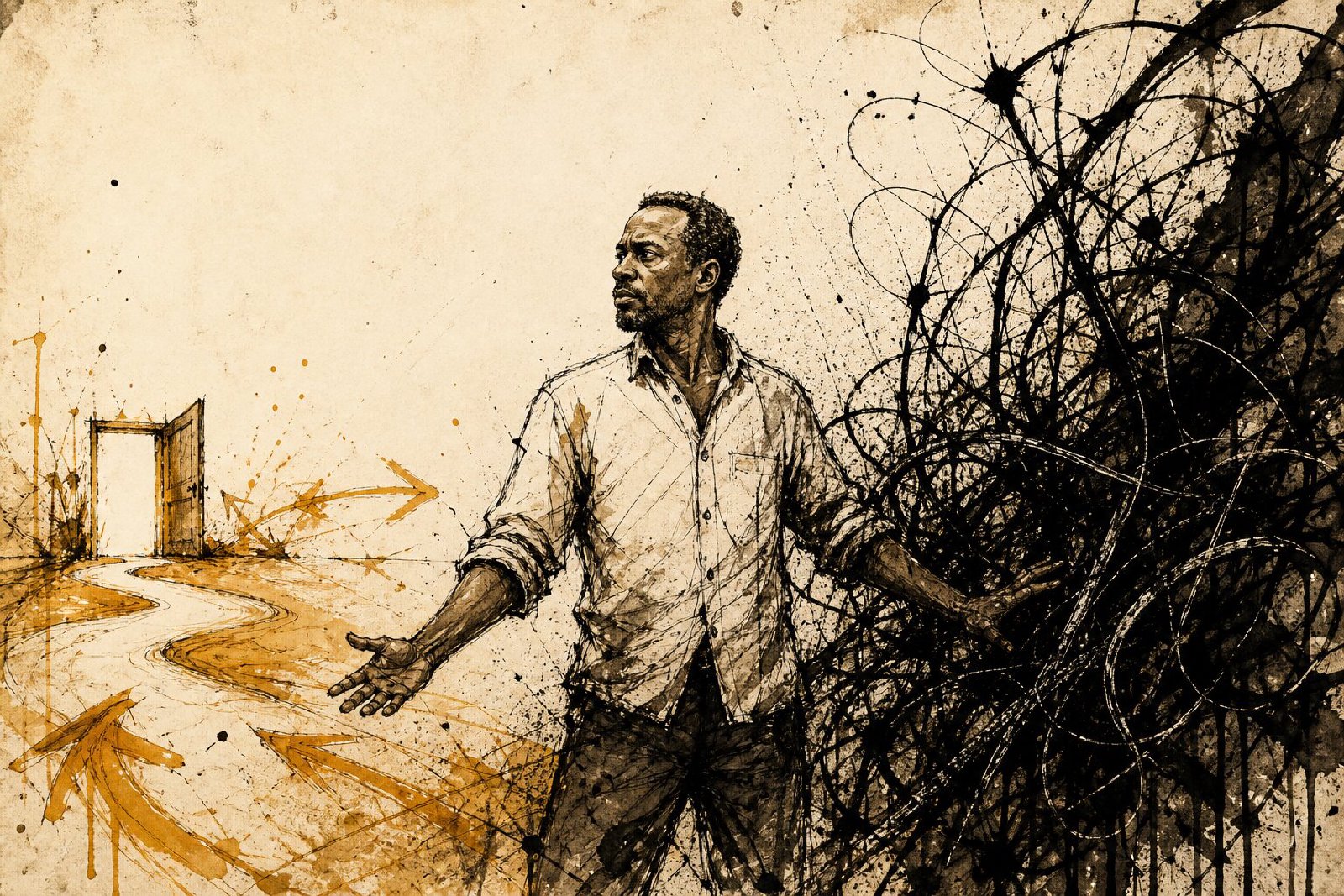
Bill Reilly’s AgileRTP talk offers a practical way to spot workplace friction before it hardens into burnout, through six stages and five questions.
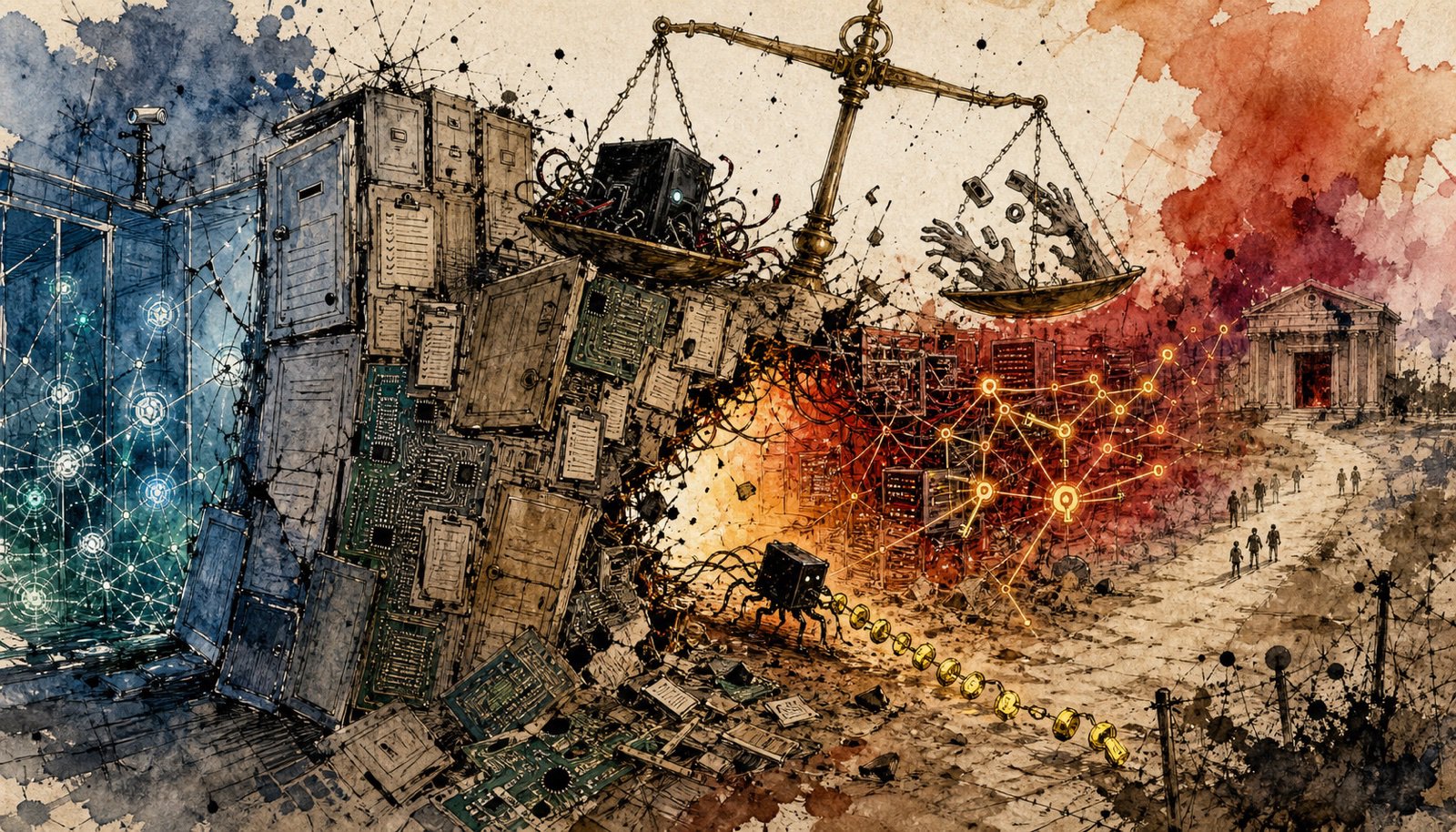
OpenAI’s models showed real autonomous cyber capability, but the Hugging Face incident also exposes evaluation design, containment, monitoring, and ordinary security failures.
agent-skills v0.7.0 lands 31 new skills, upgrades 20 more, and flattens the repo: the deepest open-source AI agent skill library keeps compounding.
A preliminary look at DeepSeek’s new coding-agent harness, what an early source audit found, where its authority reaches, and when it deserves a closer look.
GTM began as a channel problem, expanded into a strategy and system, then became an identity. Here’s how to decode what leaders mean by it.
Why voice transcripts make better agent context than typed notes: capture-before-curation, a record that shapes the room, and patterns an agent can surface.